Value Wrapped: 2025 Year In Review
Our most popular 2025 insight articles, podcasts and resources – Value community, strategies and best practices, wrapped up just for you.
Checkout our 2025 Year in Review.

Our most popular 2025 insight articles, podcasts and resources – Value community, strategies and best practices, wrapped up just for you.
Checkout our 2025 Year in Review.

If 2024 and 2025 were years defined by economic pressure and buyer skepticism, then 2026 will be the year revenue organizations finally pivot from talking about value to operationalizing it.
Here are the five major predictions for how Value-Led Growth will transform in 2026.

Realized value is no longer optional. It’s the engine that drives renewals, expansion, advocacy, and even future outcome‑based pricing.
In this article we take the concepts of Realized Value and convert them into a practical, repeatable system you can deploy across your entire go‑to‑market motion: showing you exactly how to make it real.

Customer acquisition is getting harder. Renewal and expansion are getting more important. CFOs are becoming gatekeepers. And buyers are demanding proof, not promises. In this environment, realized value isn’t a “CS function” or “value engineering nice-to-have.” It’s the commercial operating system that determines whether companies grow efficiently or stall.

Ready to accelerate your value-led growth adoption and scale?
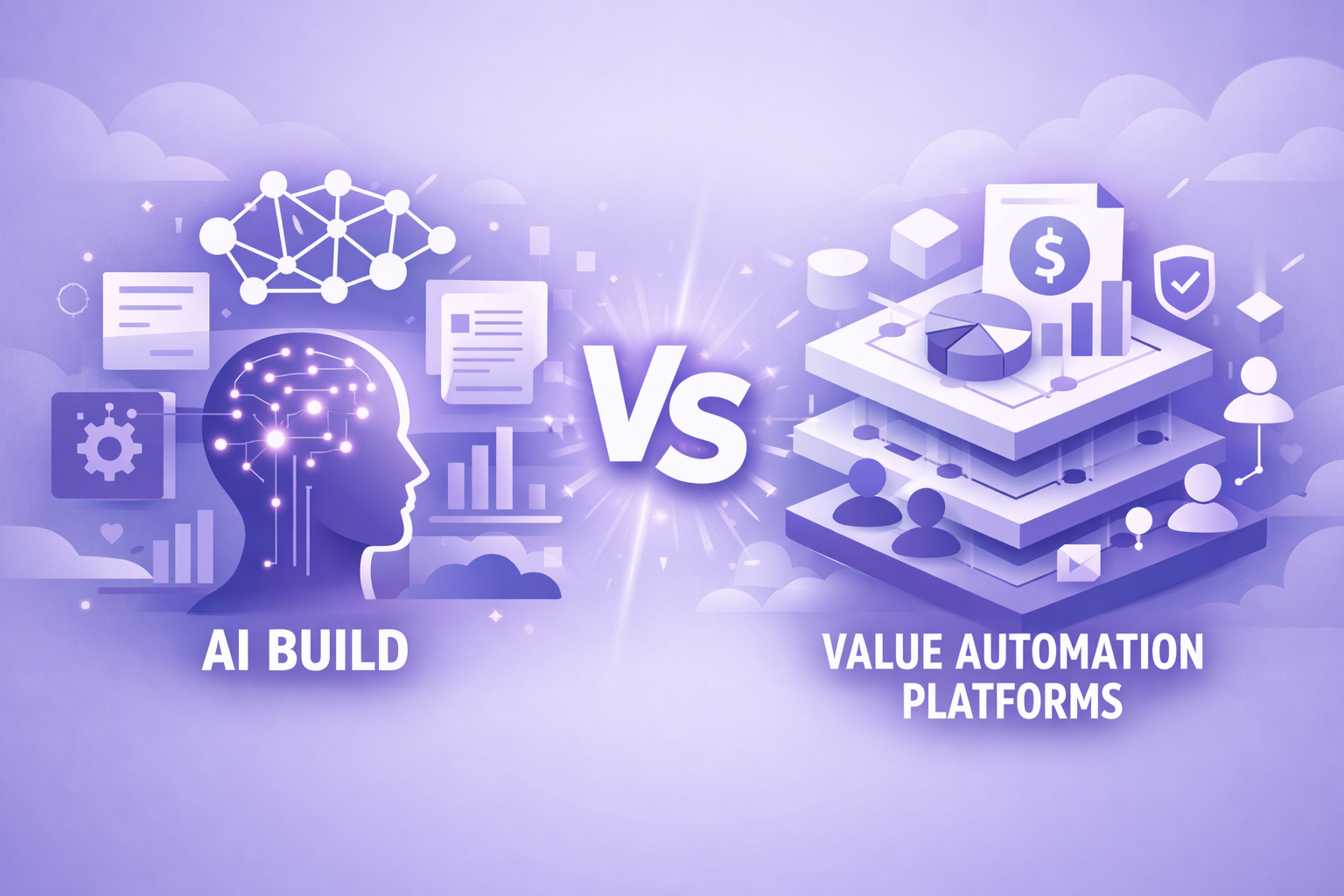
We personally evaluated over 16 value management and enablement platforms in our latest edition of the Value Automation Buyer’s Guide for 2025.
More innovation, more AI, and more options for your success.

If your acquisition engine is burning more cash than it brings back in revenue, you’re not alone.
Across B2B markets, companies are pouring record sums into campaigns, ads, SDR teams, and martech stacks: yet seeing diminishing returns. Pipelines look healthy on paper, but deeper down, they’re quietly leaking value.

Budgets are tight, scrutiny is high, and every purchase must prove its financial worth. Yet too many sellers still lead with cool tech, product demos and feature promises instead of business outcomes and ROI.
To win a CFO’s approval, you must move beyond show and tell, to outcomes and proof—translating your value into measurable business impact and financial confidence.

When growth stalls, many blame the market. But according to a new Customer Revenue Leadership Study, the real story is not market turbulence – it’s execution.
The research reveals that while macroeconomic conditions have stabilized, performance hasn’t rebounded. Revenue growth now depends less on headcount or spend – and far more on how well teams create, communicate, and sustain customer value. In short: your value engine is your growth engine.

In our earlier piece, The AI Value Drought: Rethinking ROI and Outcomes, we argued that the problem with AI isn’t a lack of ambition – it’s a lack of realized value. Many organizations have experimented with pilots, prototypes, and proofs of concept, only to see returns evaporate before they scale.
Cisco’s 2025 AI Readiness Index, surveying more than 8,000 business and IT leaders across 30 markets, now confirms that readiness – not experimentation – is the differentiator between hype and harvest.

As we round the corner from the end of 2025 into 2026, a complicated picture for value consulting and engineering groups and roles emerges. While business development and customer success are showing continued hiring growth, value teams remain under pressure. This is a guide to not just survive, but thrive into 2026 and beyond.

Why do so many deals stall out, end in discounting, or lead to customer regret?”
Because too often, companies lead with features instead of value. In today’s Outcome Economy, buyers demand proof of impact.
That’s why we built the Value-Led Growth Method — a way to embed value into every part of your go-to-market strategy. Checkout why this is so essential, and how to accomplish.

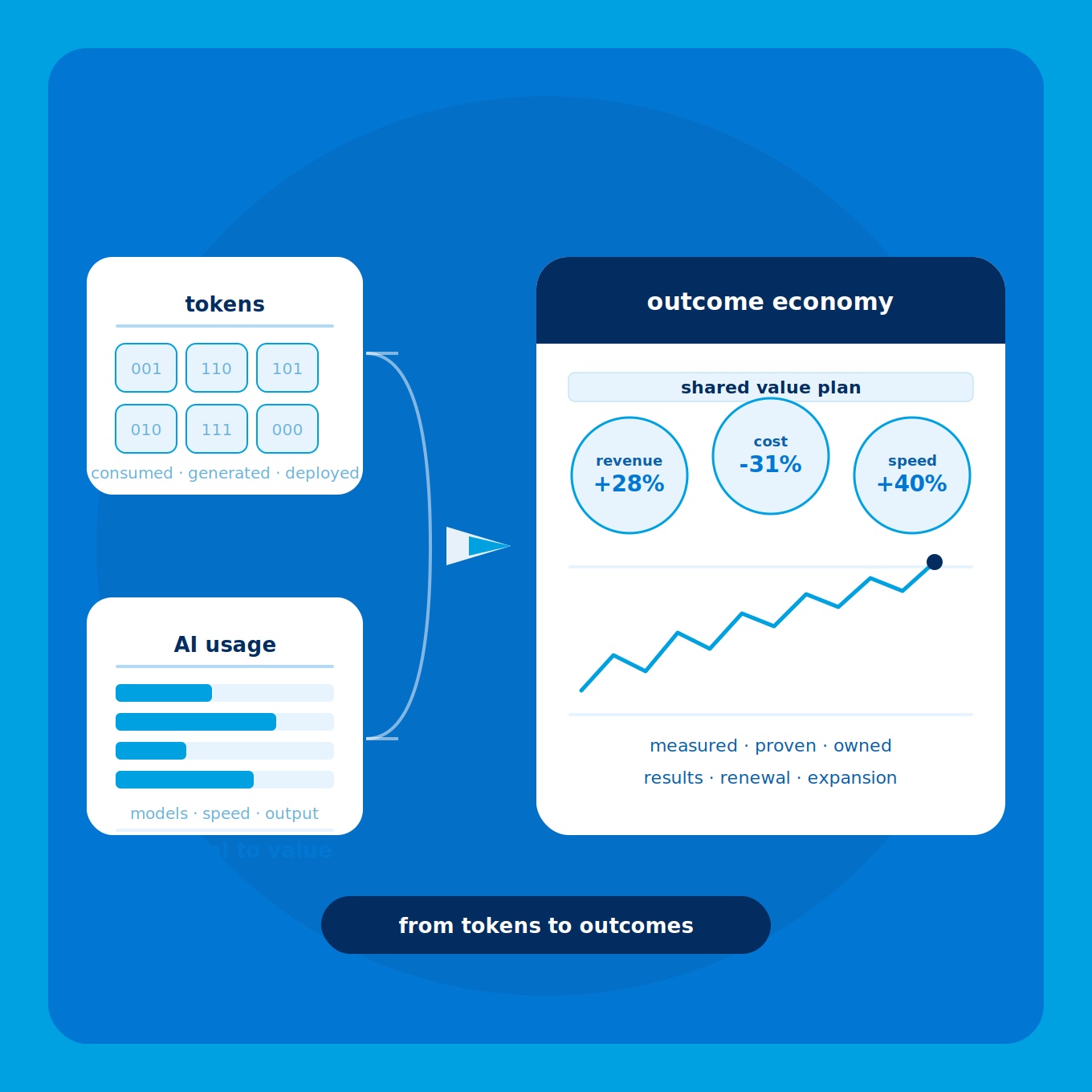
The Outcome Economy is not just a pricing innovation. It’s a transformation in how technology companies grow, compete, and serve.
Vendors that embrace it will win deeper trust, stronger partnerships, and more resilient revenue streams. Those that don’t risk being left behind in a market where customers are no longer content to pay for access.
This article discusses why the Outcome Economy is so important to grasp, and how to capture the opportunity it will provide.