
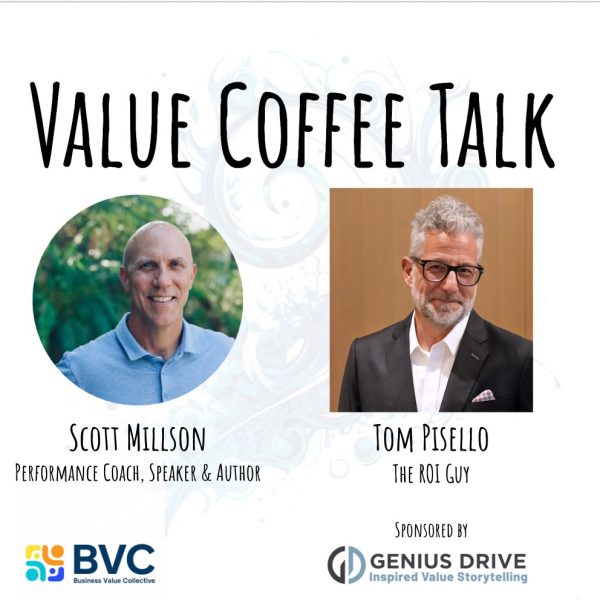
Podcast Description
The conversation is unusually practical. Scott walks through the listening mirror technique, how open-ended questions guide a conversation without steering it, and why letting silence sit after a hard question is where the real information surfaces. He also gets into amplifying customer pain responsibly: not manufacturing urgency, but helping a buyer articulate consequences they had felt but never quantified.
Scott then addresses the buyer who has already done the research. Educated buyers do not need information; they need judgment. That shifts the seller’s job from explaining to guiding, and it raises the bar on credibility. In a market saturated with content and AI-generated answers, the human contribution is experience applied to a specific situation.
He closes on mentorship, and it is worth staying for. Scott’s view is that listening is not learned from a course. It is learned by watching someone good do it and being corrected when you get it wrong.
For sales leaders, coaches, and value practitioners working on seller EQ rather than just methodology, this is a grounded conversation about the skill everyone claims to have.
Sound bites
“Curiosity beats expertise every time.”
“Embrace the silence, let the customer process.”
“Guide buyers with experience, not just information.”
Chapters
00:00 Introduction to Sales Excellence and Scott Millson
01:58 The Challenge: Listening vs. Talking in Sales
04:11 The Expert Paradox and Curiosity
06:07 Building Trust Through Listening and Credibility
07:58 The Power of Open-Ended Questions
10:10 The Listening Mirror Technique
12:02 Amplifying Customer Pain for Better Outcomes
13:55 Guiding Educated Buyers and Embracing Technology
15:53 The Role of Mentorship and Continuous Learning
17:56 Adapting Sales to the Changing Landscape
19:50 The Importance of Coaching and Human Touch
22:07 Mentorship as a Key to Growth
23:55 Final Advice: Seek Mentors and Stay Curious
Checkout all the Episodes and Sign-Up for Updates here -

